

Lakeway Short-Term Storage for Business Remodeling and Seasonal Inventory
Lakeway Short-Term Storage for Business Remodeling and Seasonal Inventory
Habib Ahsan
February 23rd, 2026
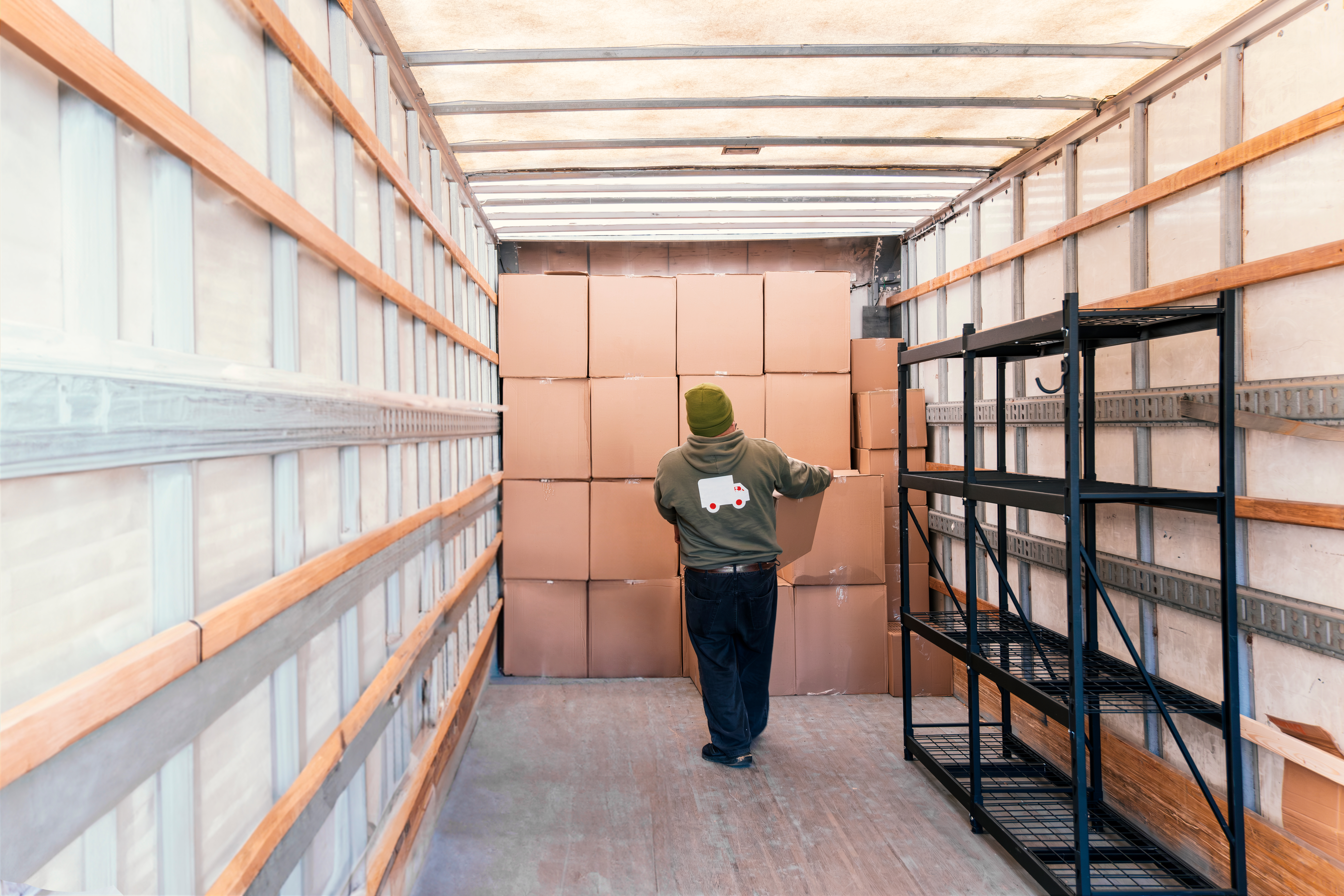
Businesses in Lakeway, TX often need extra space during remodeling projects or seasonal inventory changes. Offices, retail stores, and service businesses can quickly run out of room when furniture, fixtures, or extra products need to be moved temporarily. Short-term storage provides a practical solution. It allows businesses to continue operating while protecting equipment and inventory during transitions.
When Lakeway Businesses Need Short-Term Storage
Short-term storage is most useful during periods of change. Many businesses only need extra space for a few weeks or months.
During Remodeling and Renovations
Renovation projects require clear work areas and protected equipment. Temporary storage helps remove obstacles while keeping business assets safe. Items commonly stored include:
- Desks and office furniture
- Shelving and display racks
- Waiting room seating
- Counters and fixtures
- Office equipment
Moving these items out of the workspace:
- Prevents dust and construction damage
- Gives contractors room to work
- Keeps projects moving on schedule
Businesses can often remain open during renovations when space is properly cleared.
During Seasonal Inventory Changes
Many Lakeway businesses carry different inventory throughout the year. Storage helps manage these cycles without overcrowding the main location. Seasonal items often include:
- Holiday merchandise
- Summer recreation products
- Promotional displays
- Packaging supplies
Using storage for overflow inventory:
- Keeps backrooms organized
- Makes restocking easier
- Reduces damage caused by overcrowding
Short-term storage helps businesses stay flexible during busy seasons.
Temporary Business Transitions
Short-term storage also supports business moves and expansions. Common situations include:
- Moving to a new location
- Expanding into larger spaces
- Waiting for permits or construction to finish
Storage acts as a buffer between locations, making transitions smoother.
Benefits of Short-Term Storage for Businesses
Maintaining Business Operations
Short-term storage helps businesses avoid disruptions. Benefits include:
- Keeping customer areas clean and accessible
- Allowing work to continue during remodeling
- Reducing the need for temporary closures
This helps protect revenue during transitions.
Improving Organization
Storage creates separation between active and inactive items. Advantages include:
- Easier inventory tracking
- Less clutter in work areas
- Faster access to important items
Organized spaces improve daily efficiency.
Financial Advantages
Short-term storage can reduce costs. Businesses can:
- Avoid expensive building expansions
- Pay only for temporary space
- Prevent damage to equipment and inventory
Flexible storage keeps overhead predictable.
Choosing the Right Storage Type in Lakeway
Different businesses need different types of storage.
Drive-Up Storage Units
Drive-up units are ideal for items that need frequent access. They work well for:
- Shelving and fixtures
- Bulk inventory boxes
- Equipment and tools
Drive-up access allows fast loading and unloading, saving time during busy projects.
Climate-Controlled Storage
Climate-controlled units protect sensitive materials. Best for:
- Computers and office electronics
- Paper records and files
- Fabric or specialty merchandise
- Packaging materials that can warp in heat
Stable conditions help prevent damage during Texas summers.
Choosing the Right Unit Size
Selecting the right size improves efficiency. Typical uses include: Small units:
- Archive boxes
- Small inventory items
Medium units:
- Display fixtures
- Inventory racks
- Boxed merchandise
Large units:
- Full remodel staging
- Palletized inventory
- Multiple departments of stock
Proper sizing prevents wasted space.
Planning Storage Around a Remodeling Timeline
Using storage effectively requires planning.
Before Remodeling Begins
Preparation helps prevent delays. Steps include:
- Creating a list of items to be stored
- Packing non-essential items first
- Scheduling move-out dates
Early preparation keeps projects organized.
During Construction
Storage should remain accessible. Helpful practices include:
- Keeping essential items near the front of the unit
- Rotating equipment in and out as needed
- Maintaining clear access paths
This supports ongoing operations.
After Remodeling Is Complete
Returning items in stages helps avoid confusion. Best practices include:
- Moving fixtures back in planned phases
- Reinstalling equipment efficiently
- Updating inventory records
An organized return speeds reopening.
Organizing Business Inventory in Storage
Good organization saves time and prevents mistakes.
Efficient Layout
A simple layout should include:
- Clear aisles for walking access
- Shelving for smaller items
- Stackable boxes for bulk inventory
This makes items easier to find.
Labeling and Tracking
Tracking inventory prevents lost items. Useful methods include:
- Labeling boxes by department or product type
- Keeping a digital inventory list
- Marking priority items clearly
This allows quick retrieval.
Planning Access for Active Businesses
Businesses should plan storage visits carefully.
Scheduling Visits
- Visit during slower business hours
- Coordinate with staff schedules
- Combine multiple pickups into one trip
This reduces disruptions.
Quick Access Setup
Efficient setups include:
- Frequently used items near the entrance
- Clear loading space
- Organized staging areas
Fast access saves labor time.
Security Considerations for Business Storage
Businesses often store valuable equipment and inventory. Look for:
- Controlled access entry
- Well-lit storage areas
- Clean and maintained property
Businesses should also:
- Use strong locks
- Keep inventory records updated
- Remove extremely high-value items if possible
These steps reduce risk.
Cost-Saving Strategies for Short-Term Storage
Short-term storage works best when planned carefully.
Efficient Rental Timing
Businesses can save by:
- Starting storage just before projects begin
- Ending rentals as soon as items return
Avoiding unused rental time reduces costs.
Right-Sizing Storage Space
Businesses should:
- Avoid renting more space than needed
- Adjust unit size if inventory changes
- Store only necessary items
Flexible sizing keeps costs controlled.
Preventing Damage Costs
Proper packing prevents expensive losses. Important steps include:
- Using sturdy boxes
- Protecting fragile items
- Choosing climate storage for sensitive goods
Preventing damage saves money long-term.
Real-World Lakeway Business Examples
Retail Remodel
Storage helps retailers:
- Remove display racks temporarily
- Store extra inventory
- Keep sales floors open
Service Businesses
Service providers often store:
- Waiting room furniture
- Office equipment
- Tools and supplies
This allows renovations without shutting down.
Hospitality and Short-Term Rentals
Storage helps property managers:
- Store décor during redesigns
- Manage seasonal supplies
- Rotate furnishings as needed
This keeps properties flexible.
Storage as a Business Tool
For many Lakeway businesses, short-term storage is more than extra space. It supports remodeling projects, inventory changes, and business growth without disrupting daily operations.
Categories