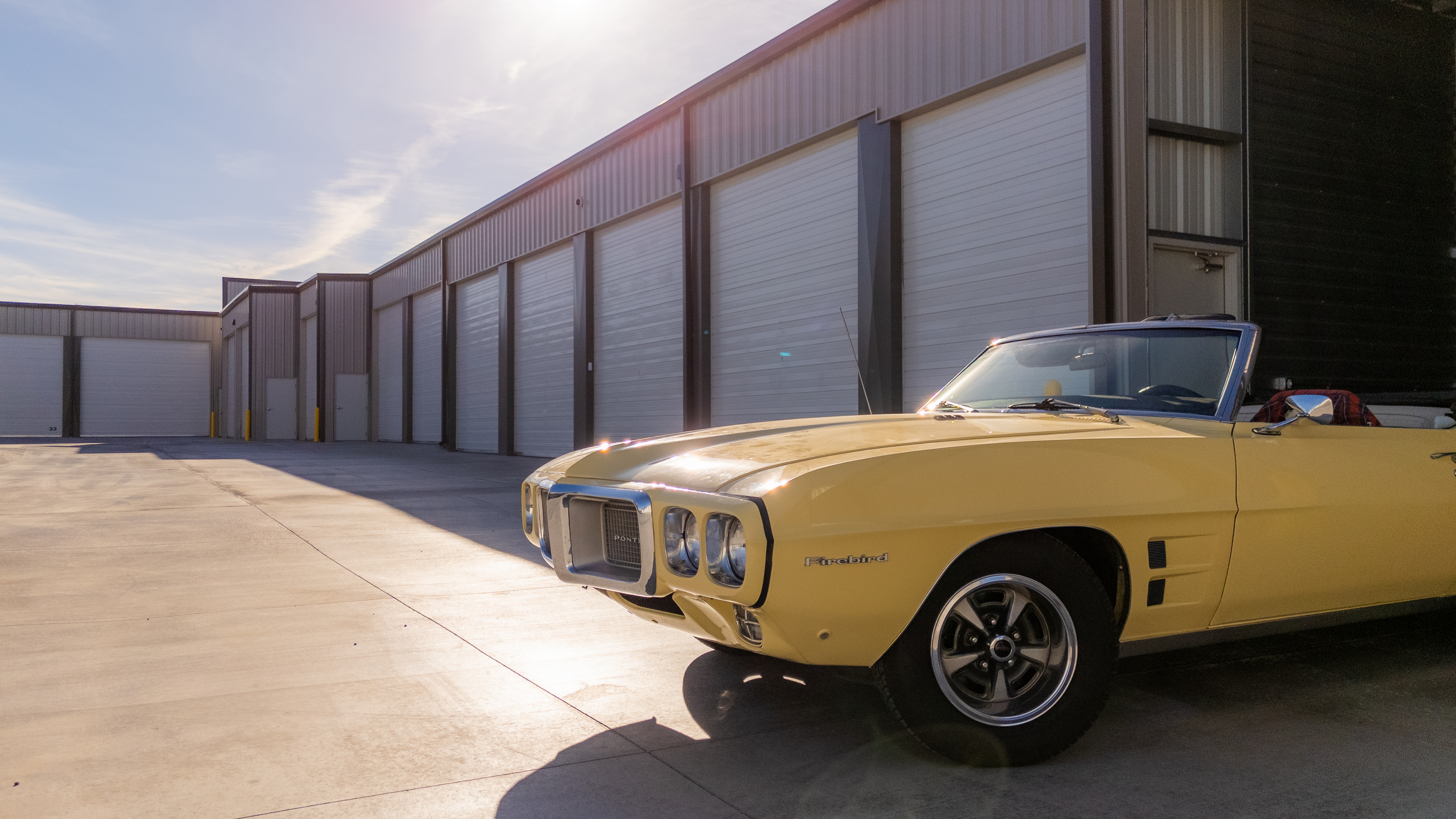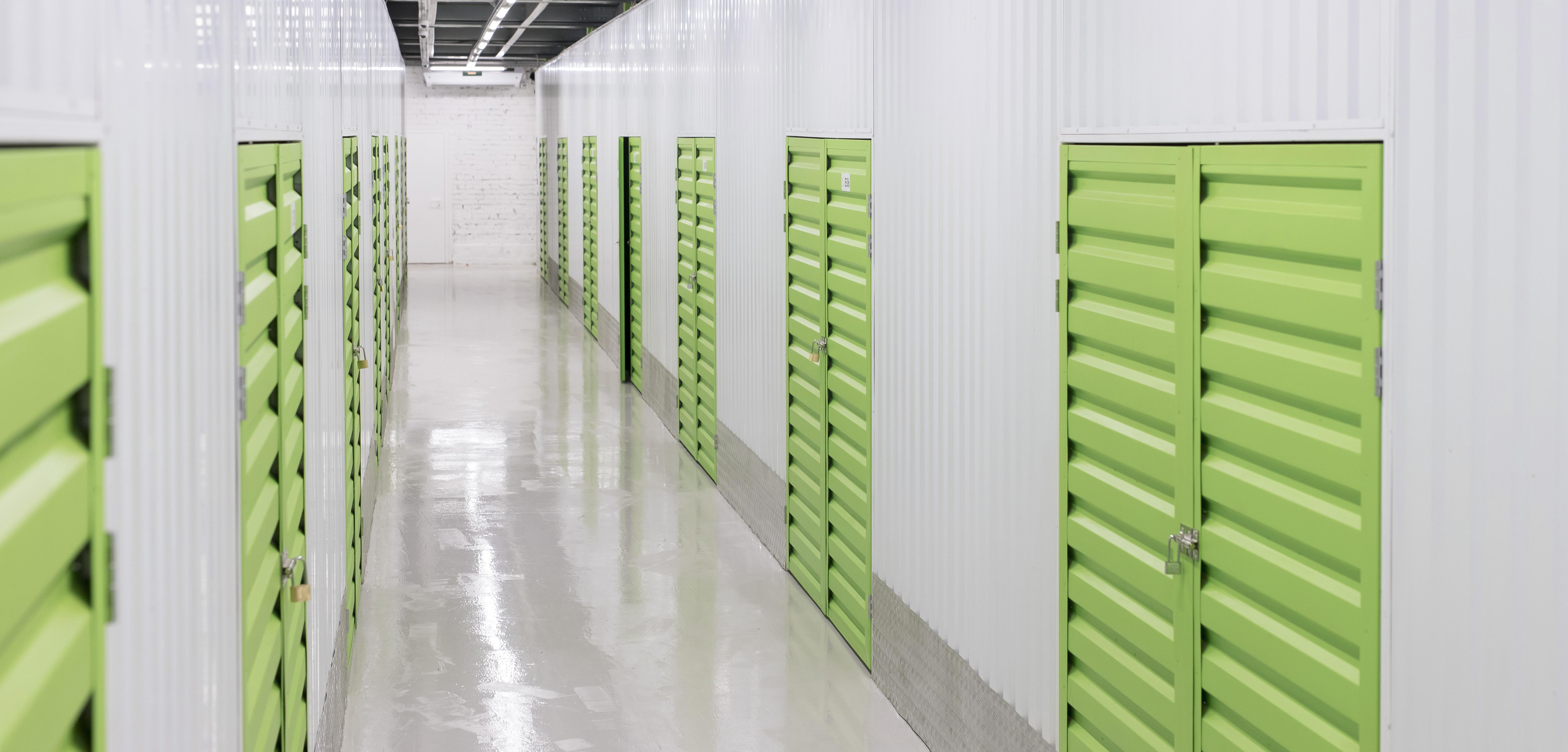
Spring is one of the busiest times of year for moving, decluttering, and making room for what matters. If you have been considering renting a storage unit, the timing right now could not be better. This week, a Spring Storage Event is underway that offers storage unit deals in Spicewood, TX, that make getting started far more affordable than most people expect. Book any available unit this week, and you will receive 50% off your second and third months. That is a meaningful saving, especially for anyone managing a move, a renovation, or a seasonal swap-out of belongings.
Why Spring Is the Right Time to Rent a Storage Unit
Spring brings a natural wave of change for most households. People are listing homes, preparing for summer, clearing out garages, and making plans that involve moving things around. The problem is that everything tends to happen at once, and not everything has a clear destination. A storage unit acts as a pressure valve. It gives you a controlled, secure place to put things while you figure out the next step. Instead of cramming items into a spare room or making hasty decisions about what to keep, you have breathing room to think clearly. The Spicewood area and surrounding communities like Marble Falls, Bee Cave, and Lakeway have all seen steady growth. More families and small businesses are settling here, and with that growth comes a real, practical need for flexible storage options close to home.
What the Spring Storage Deal Includes
The promotion is straightforward. Book any unit this week, and your first month is charged at the standard rate. Months two and three come in at 50% off. No promo codes to track down, no complicated conditions — just a genuine discount applied when you rent. Those two discounted months give you time to settle in, organize what you have stored, and figure out whether a longer rental makes sense. Many people discover that having a dedicated space changes how their home functions in ...
Habib Ahsan
May 18th, 2026



_06242026022817507.jpg "Marine Electronics Storage Near Marble Falls, TX")
_06212026184726406.jpg "Summer Storage Special Spicewood Super Storage")