

Lakeway Fishing Gear Storage to Prevent Rust, Mildew, and Line Memory
Lakeway Fishing Gear Storage to Prevent Rust, Mildew, and Line Memory
Habib Ahsan
February 25th, 2026
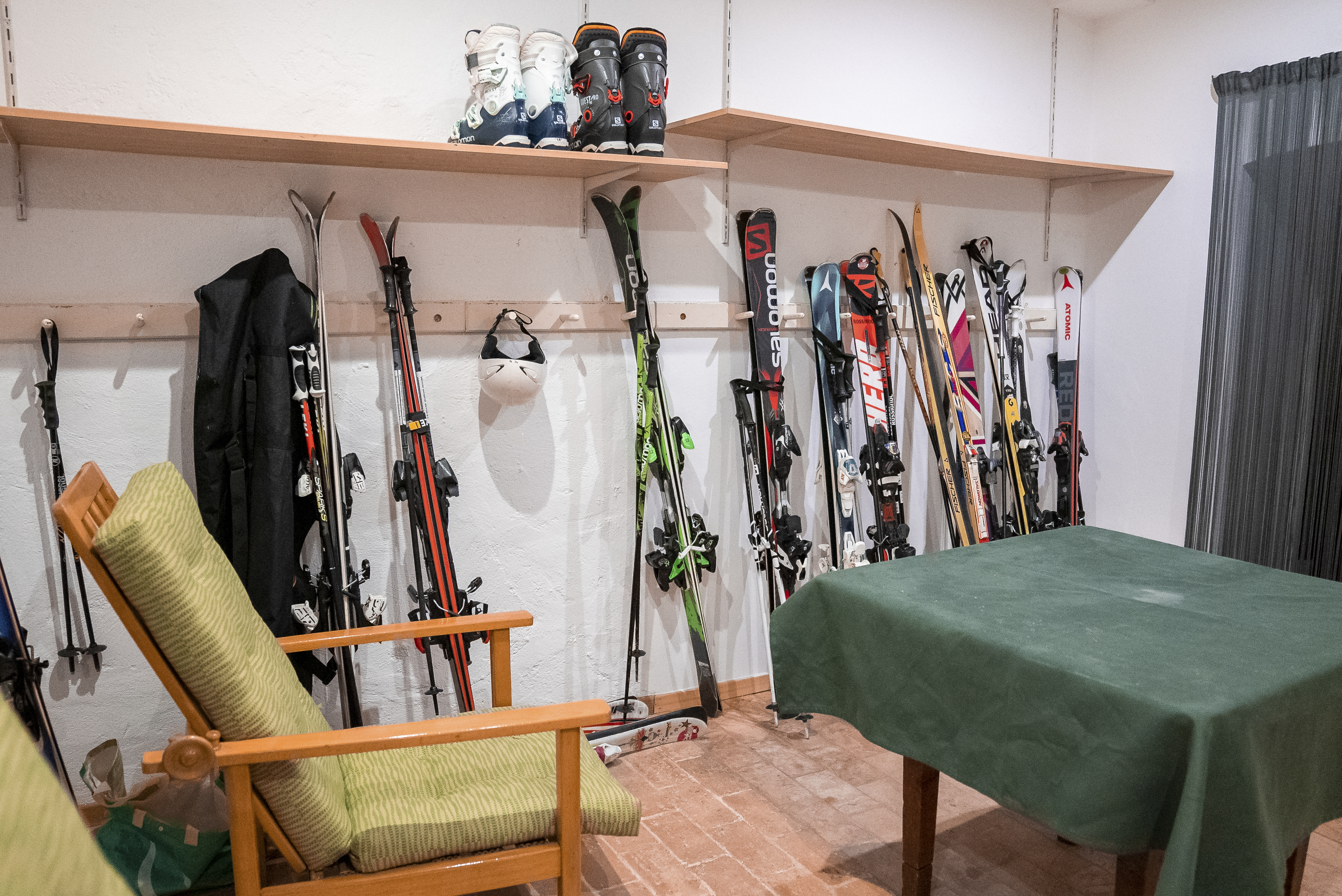
Fishing is a year-round activity around Lakeway and Lake Travis, but storing fishing gear between trips can be challenging. Rods, reels, tackle, and lines can quickly deteriorate if they sit in garages, sheds, or boat compartments where heat and moisture build up. Proper fishing gear storage helps prevent rust, mildew, and line damage, keeping equipment ready for the next trip and reducing replacement costs.
The Main Storage Risks for Fishing Gear
Fishing equipment is designed to handle water, but it is not designed to sit in damp or hot environments for long periods.
Rust and Corrosion
Metal parts are especially vulnerable after lake use. Common trouble spots include:
- Reel gears and bearings
- Hooks and jig heads
- Split rings and swivels
- Rod guides and hardware
Moisture trapped inside tackle boxes or reel housings can cause corrosion even when gear looks dry.
Mildew and Odor Problems
Soft gear can hold moisture longer than expected. Items most at risk include:
- Life jackets
- Soft tackle bags
- Landing nets
- Fabric rod sleeves
When stored damp, these items can develop mildew and unpleasant odors.
Fishing Line Memory and Damage
Fishing line can weaken during storage if it is exposed to heat or stored under pressure. Common problems include:
- Coiled line that won’t straighten
- Reduced casting distance
- Brittle or weakened line
- Uneven spooling
Proper storage keeps line in better condition between trips.
Choosing the Right Storage Environment in Lakeway
Fishing gear stores best in a clean, stable environment. Indoor storage helps by:
- Protecting gear from direct sun
- Reducing temperature swings
- Limiting dust and dirt buildup
Garages and sheds often become too hot during Texas summers, which can damage line and reel components.
When Climate-Controlled Storage Is Worth It
Climate-controlled storage is especially helpful for:
- High-end reels
- Large rod collections
- Expensive tackle inventories
- Long-term storage during slower fishing seasons
Stable conditions help protect both metal components and fishing line.
Preparing Fishing Gear Before Storage
Good preparation prevents most storage problems.
Clean Gear After Each Trip
Before storing:
- Rinse reels and metal parts with fresh water
- Wipe down rods
- Clean hooks and lures
- Remove dirt and residue
Clean gear lasts longer and performs better.
Dry Gear Completely
Drying is one of the most important steps. Best practices include:
- Let rods air dry fully
- Leave tackle boxes open until dry
- Hang nets and fabric gear to dry
Never store wet equipment.
Storing Fishing Rods Properly
Rods need support to prevent bending or stress.
Proper Rod Positioning
Good options include:
- Vertical storage in rod racks
- Horizontal storage with several support points
- Protective rod sleeves or tubes
Avoid leaning rods in corners where tips can bend.
Protecting Fishing Line
Fishing line lasts longer with proper storage. Helpful steps include:
- Loosen reel drag before storing
- Avoid tight line pressure
- Keep rods away from heat
These small steps reduce line memory.
Reel Storage Best Practices
Reels are often the most expensive part of fishing gear.
Preventing Corrosion
Before storing reels:
- Wipe surfaces dry
- Apply light lubrication if needed
- Remove dirt and residue
Use breathable covers instead of sealed plastic.
Proper Reel Placement
When storing reels:
- Keep them off the floor
- Avoid stacking heavy items on them
- Store where air can circulate
Good placement reduces hidden moisture buildup.
Organizing Tackle and Accessories
Organization helps protect equipment and saves time.
Tackle Box Storage
Best practices include:
- Separate wet and dry gear
- Use moisture-absorbing packets
- Keep compartments organized
- Avoid overcrowding trays
Dry tackle prevents rust.
Hooks and Lures
Hooks and lures need extra care. Store them:
- Completely dry
- Sorted by type
- In rust-resistant trays
This helps prevent corrosion.
Storage Layout for Easy Access
A well-planned layout improves both protection and convenience.
Efficient Storage Setup
Simple improvements include:
- Rod racks along side walls
- Shelving for tackle boxes
- Clear floor space for larger gear
This keeps equipment easy to reach.
Trip-Ready Organization
For frequent anglers:
- Store commonly used gear near the front
- Keep backup gear toward the back
- Store cleaning supplies together
This speeds up preparation before trips.
Seasonal Storage for Lakeway Anglers
Fishing gear needs different storage during active and slow seasons.
Active Season Storage
During frequent fishing trips:
- Keep rods accessible
- Store gear for quick loading
- Avoid unnecessary packing
Convenience matters during peak season.
Off-Season Storage
Longer storage periods require extra preparation. Recommended steps:
- Deep clean equipment
- Inspect fishing line
- Replace worn line
- Lubricate reels
Off-season maintenance prevents surprises later.
Checking Gear During Storage
Even well-stored gear benefits from occasional checks. During visits:
- Inspect reels for smooth movement
- Check for rust spots
- Look for moisture inside tackle trays
- Test line condition
Small checks prevent major problems.
Security Considerations
Fishing gear can represent a significant investment. Look for storage with:
- Controlled access
- Good lighting
- Clean, maintained spaces
You can also:
- Lock expensive gear in containers
- Keep an inventory list
- Photograph equipment
These steps improve protection.
Cost-Saving Storage Tips
Proper storage saves money over time. You can reduce costs by:
- Using vertical rod storage to save space
- Organizing tackle efficiently
- Preventing rust and line damage
- Extending reel life
Protecting equipment reduces replacement expenses.
Keeping Fishing Gear Ready Year-Round
For Lakeway anglers, proper fishing gear storage helps prevent rust, mildew, and line problems while keeping equipment ready for the next trip. With the right preparation and storage environment, fishing gear stays organized, protected, and reliable throughout the year.
Categories