

Lakeway Seasonal Storage Timelines That Save Money for Boat and RV Owners
Habib Ahsan
February 1st, 2026
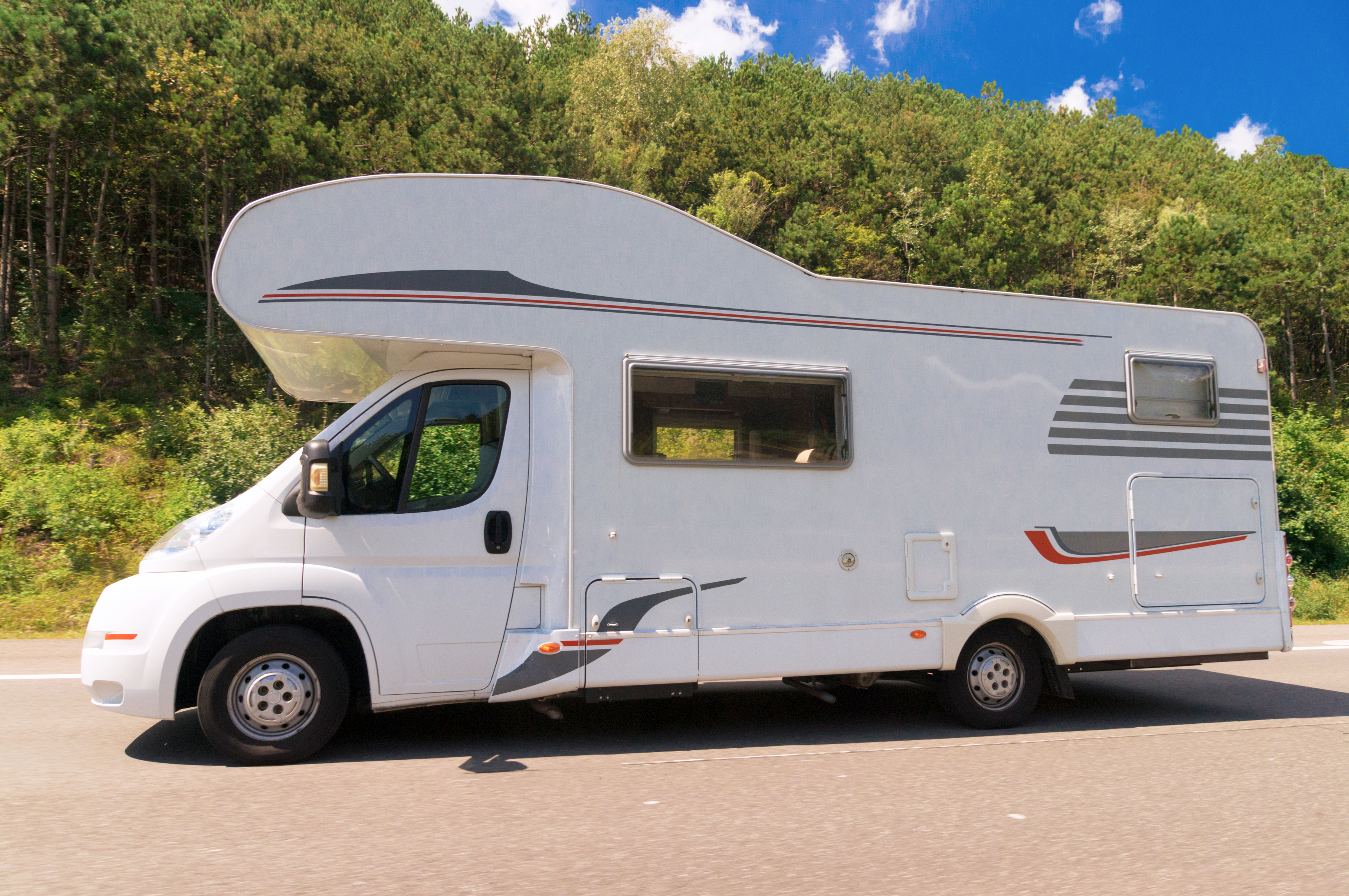
For boat and RV owners in Lakeway, storage costs aren’t just about where you store—it’s when you store. Many owners overspend or rush into poor storage decisions simply because they wait too long to plan. A seasonal storage timeline helps reduce costs, protect vehicles, and avoid last-minute stress. This guide explains how timing your storage throughout the year can save money while keeping your boat or RV in better condition.
Why Timing Matters for Lakeway Storage
Lakeway’s location near Lake Travis creates predictable demand patterns. Storage availability tightens during peak travel seasons, which often drives pricing and limits options. Planning ahead allows owners to:
- Avoid peak-demand pricing
- Secure better storage types before availability drops
- Reduce wear caused by rushed or temporary storage choices
Storage works best when treated as part of ownership—not a last-minute fix.
Understanding Lakeway’s Seasonal Use Patterns
Peak Usage Periods
- Boating season: late March through early October
- RV travel peaks: spring break, summer vacations, fall events
- Storage demand increases sharply before weekends and holidays
Off-Season Reality
- Reduced lake traffic in late fall and winter
- RV travel slows between major holidays
- More availability and flexibility for long-term storage
These slower months offer the best opportunities for savings.
Spring: Transition Smartly, Not Reactively
Late Winter (January–February)
This is the best time to plan—not scramble.
- Inspect boats and RVs while still stored
- Schedule maintenance before service shops become backlogged
- Lock in preferred storage types before spring demand rises
Planning early avoids premium pricing later.
Early Spring (March)
- Shift from long-term storage to easy-access parking if you’ll be traveling often
- Choose locations that reduce towing time and fuel costs
- Avoid waiting until peak spring weekends when options disappear
Summer: Control Costs During Peak Season
High-Demand Months (April–August)
- Covered and well-located storage fills quickly
- Short-term storage prices tend to rise
- Availability becomes limited near Lakeway and major routes
Summer Cost-Saving Moves
- Store trailers separately from tow vehicles when possible
- Use off-site storage to avoid HOA fines or street restrictions
- Move gear and accessories into smaller units instead of paying for oversized parking
Smart downsizing keeps summer costs manageable.
Fall: The Best Time to Lock in Savings
Post-Season Transition (September–October)
Once travel slows, storage options open up.
- Move boats and RVs into longer-term storage
- Take advantage of better availability and flexible unit options
- Commit to longer rental periods to improve value
This is often the most cost-effective time to adjust storage.
Fall Maintenance Advantage
- Clean vehicles thoroughly before storing
- Address small issues before they become expensive repairs
- Reduce exposure to fall storms and debris
Good prep saves money later.
Winter: Lowest-Cost Storage Window
Long-Term Storage Benefits (November–February)
- Lowest demand for RV and boat storage
- Best availability for covered or protected spaces
- Less pressure to make rushed decisions
Winter is ideal for securing stable, budget-friendly storage.
Winter Best Practices
- Use covered or climate-protected storage to reduce sun and moisture damage
- Disconnect batteries and prepare systems properly
- Avoid unnecessary mid-winter moves that increase handling risk
Stability during winter protects both budget and vehicle condition.
Choosing the Right Storage Type by Season
Outdoor Parking
- Best during active travel months
- Lowest cost
- Most exposure to weather
Covered Storage
- Ideal for fall and winter storage
- Reduces sun, rain, and debris damage
- Strong balance between cost and protection
Climate-Protected Storage
- Best for long-term storage or extreme temperatures
- Helps protect interiors, electronics, and finishes
- Highest value when vehicles sit unused for months
Matching storage type to season prevents overpaying.
Common Timing Mistakes That Cost Money
- Waiting until HOA notices force a rushed decision
- Searching for storage during peak weekends
- Paying for climate storage year-round when not needed
- Keeping oversized units during low-use months
Most storage overspending comes from timing—not necessity.
Sample Lakeway Storage Timeline (Money-Saving Model)
Boat Owners
- March–August: accessible parking or covered storage
- September–February: long-term covered or climate-protected storage
RV Owners
- Spring–Summer: quick-access parking near travel routes
- Fall–Winter: secure long-term storage with limited access needs
Simple timelines reduce decision fatigue and cost.
Planning Ahead for the Next Season
A yearly review helps optimize storage:
- Track when vehicles are used most
- Adjust storage type and size annually
- Reserve preferred options early to avoid peak pricing
Owners who plan ahead consistently spend less and protect their vehicles better.
Storage Timing Is a Cost-Control Strategy
For Lakeway boat and RV owners, seasonal storage planning isn’t just convenient—it’s smart financial management. The right timeline reduces stress, lowers costs, and helps preserve vehicles long-term. When storage decisions follow the seasons, both budgets and vehicles benefit.
Categories