

Lakeway Covered RV Parking Checklist Before Spring Travel
Habib Ahsan
January 4th, 2026
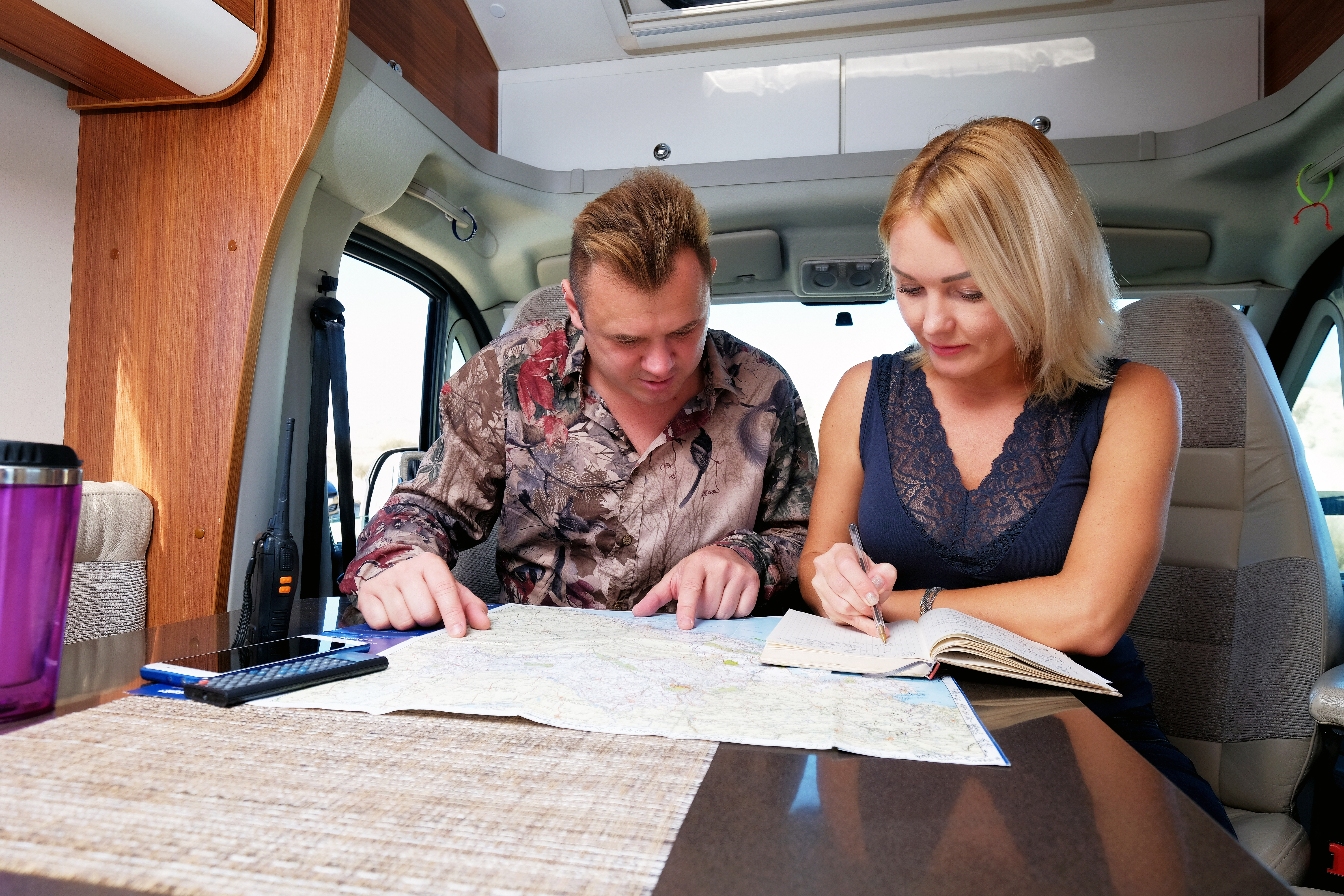
Spring is one of the best times for RV travel in Central Texas—but before you roll out, proper preparation is essential. Lakeway’s mild winters, fluctuating temperatures, and early spring storms can affect stored RVs in ways that aren’t always obvious at first glance. Using covered RV parking offers valuable protection from sun exposure, moisture, and debris, but a thorough pre-travel checklist ensures your RV is road-ready, safe, and efficient for the season ahead.
Covered RV Parking Checklist Before Spring Travel
1. Exterior Inspection
Even under cover, your RV should be inspected carefully:
- Check roof seals and seams for cracks or lifting
- Inspect awnings for mold, tears, or stiffness
- Look for signs of pest activity around vents and storage bays
- Examine paint and decals for fading or bubbling
Catching small issues early prevents costly repairs later.
2. Tires & Suspension
Spring trips often involve longer drives—make sure your RV is road-ready:
- Check tire pressure and adjust to manufacturer recommendations
- Inspect tread depth and sidewalls for cracks
- Look for flat spots caused by long-term parking
- Inspect suspension components and leveling systems
Tires are one of the most common causes of spring travel delays.
3. Battery & Electrical Systems
Storage—even covered—can impact batteries:
- Reconnect and fully charge house and chassis batteries
- Test interior and exterior lights
- Check outlets, breakers, and surge protectors
- Verify solar panels (if applicable) are functioning properly
Reliable power ensures comfort and safety on the road.
4. Plumbing & Water Systems
Before your first trip:
- Flush water lines and sanitize fresh water tanks
- Check for leaks at connections and valves
- Test water pump, faucets, and toilet
- Inspect hoses for cracking or stiffness
This step helps prevent leaks during travel or at campsites.
5. HVAC & Propane Systems
Spring weather can still be unpredictable:
- Test air conditioning and heating systems
- Inspect propane tanks, lines, and regulators
- Ensure carbon monoxide and propane detectors work properly
Comfort and safety systems should always be tested before departure.
6. Interior Refresh
Even covered parking can allow dust or humidity buildup:
- Clean vents and air filters
- Wipe down cabinets and surfaces
- Inspect upholstery and flooring for moisture or odors
- Restock essentials like bedding, kitchenware, and tools
A clean interior makes the first trip more enjoyable.
7. Travel & Safety Prep
Finish with travel readiness:
- Confirm registration, insurance, and roadside assistance
- Check emergency kits, fire extinguishers, and first-aid supplies
- Update GPS systems and travel apps
- Secure loose items before driving
Why Covered RV Parking Makes Spring Prep Easier
Lakeway RV owners choose covered parking because it:
- Reduces UV damage to roofs and tires
- Limits moisture exposure during storms
- Minimizes debris accumulation
- Extends the lifespan of exterior components
Combined with regular inspections, covered parking keeps your RV in top condition between adventures.
Final Thoughts: Start Spring Travel with Confidence
A little preparation goes a long way toward a smooth spring travel season. By following this checklist and using covered RV parking, Lakeway RV owners can hit the road confidently—knowing their rig is protected, prepared, and ready for adventure. 👉 A well-prepared RV means fewer surprises and more time enjoying the journey.
Categories