

Boat Trailer Tires, Bearings & Wiring: A Pre-Storage Checklist for Spicewood Owners
Boat Trailer Tires, Bearings & Wiring: A Pre-Storage Checklist for Spicewood Owners
Habib Ahsan
June 1st, 2026
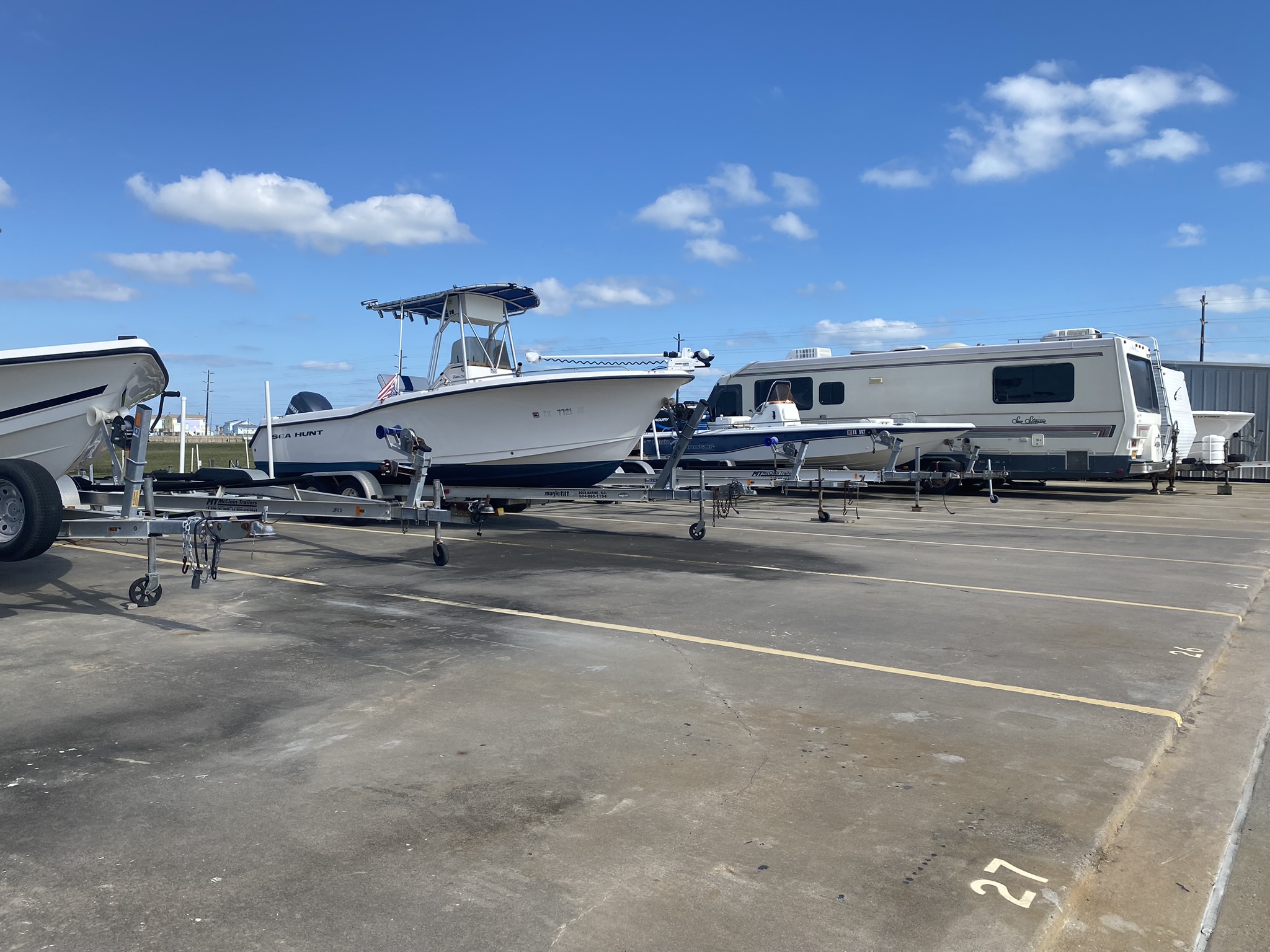
Most boat owners spend their maintenance attention on the boat itself — the engine, the hull, the electronics. The trailer underneath it tends to get ignored until something fails. That is a mistake, and a working boat trailer pre-storage checklist near Spicewood is the easiest way to avoid it. A trailer that sits all winter with a slow-leaking tire, a dry wheel bearing, or corroded wiring does not get better on its own. It gets worse — quietly — until the morning you hook up for the first trip of the season and discover the problem on the side of Highway 71.
The good news is that a thorough trailer inspection takes less than an hour and catches the vast majority of issues before they become roadside breakdowns or expensive repairs. Here is how to work through it properly.
Why Boat Trailers Deteriorate During Storage
A boat trailer leads a hard life. It backs into lake water repeatedly, hauls a heavy load over rough roads, and then sits motionless for months at a time. Each of those phases creates a different kind of wear, and storage is where hidden damage tends to set in.
When a trailer sits in one position for an extended period, tires develop flat spots and lose pressure. Grease inside wheel bearings settles and can allow moisture to creep in, especially on a trailer that has been dunked in Lake Travis or one of the Highland Lakes. Electrical connections corrode. Rubber components dry out and crack in the Hill Country heat. None of this is dramatic on any given day, but over a full off-season, it adds up to a trailer that is no longer road-ready.
Inspecting before you store — rather than after — means you can address small issues while you still have time, and store the trailer in a condition that holds up well until spring.
Inspecting Trailer Tires Before Storage
Trailer tires fail differently from car tires. They often have plenty of tread left but fail from age, dry rot, and sitting under load rather than from mileage. A tire that looks fine can be dangerously degraded underneath.
Work through these tire checks before storing:
- Check the sidewalls for cracking, dry rot, and weather checking — common in the Texas sun, even on low-mileage tires
- Inflate all tires to the pressure printed on the sidewall, including the spare, to prevent flat spots during storage
- Look at the manufacture date stamped on the sidewall — trailer tires are often due for replacement at five to six years, regardless of tread
- Inspect tread depth and look for uneven wear, which can signal an alignment or bearing problem
If you store on uncovered ground, consider placing the tires on boards rather than directly on dirt or gravel. This reduces moisture contact and helps prevent flat-spotting over a long storage period.
Checking and Servicing Wheel Bearings
Wheel bearings are the single most common cause of boat trailer breakdowns, and they are almost always preventable. Because the bearings get submerged when you launch and retrieve the boat, water intrusion is a constant threat — and water plus grease plus heat is a recipe for bearing failure.
How to Check Your Bearings Before Storage
With the trailer safely supported, grab each wheel at the top and bottom and try to rock it. Noticeable play means the bearings are worn or improperly adjusted. Then spin the wheel by hand and listen — grinding, roughness, or a rumbling sound points to a bearing that needs attention before storage rather than after.
Storing a trailer with freshly packed bearings, or with bearing protectors topped off with grease, keeps moisture out during the months it sits. It is far cheaper to repack a bearing in your driveway than to replace a seized hub and damaged axle on the roadside next season.
Testing Trailer Wiring, Lights, and Connections
Trailer wiring takes constant abuse from water, road salt, and corrosion. Lights that worked perfectly at the end of last season have a way of failing after a few months in storage, usually because of corrosion building up in the connections.
Before storing, connect the trailer to your tow vehicle and check the full lighting system:
- Test brake lights, tail lights, and both left and right turn signals for consistent operation
- Inspect the wiring harness along its full length for cracked insulation, exposed wire, or chafing against the frame
- Clean the trailer connector plug and apply dielectric grease to protect the contacts from corrosion during storage
- Check all ground connections, since a poor ground is the most common reason trailer lights misbehave
Addressing a corroded connector now is a five-minute job. Diagnosing a mysterious lighting fault in a parking lot before a trip is a frustration nobody needs.
Inspecting the Frame, Hitch, and Hardware
The structural components of your trailer deserve a careful look, too. These parts rarely fail without warning, but the warning signs are easy to miss if you are not looking for them.
Walk the full length of the frame and check for rust spots, especially at welds and where the frame meets the axle. Surface rust is normal and manageable; deep, flaking rust at a structural point is a more serious concern worth addressing. Inspect the coupler and hitch ball socket for wear and make sure the latch engages firmly. Check the safety chains and their attachment points, look over the winch strap or cable for fraying, and confirm the bunk boards or rollers that support the hull are sound and properly aligned.
Finally, run a wrench over the major bolts and fasteners. Vibration from towing loosens hardware over a season, and storage is a good time to bring everything back to proper torque.
Why Where You Store the Trailer Matters as Much as the Inspection
A careful inspection protects the trailer mechanically, but the storage environment determines how well that condition holds. A trailer and boat left fully exposed to the Hill Country sun and weather will degrade faster than one kept under cover, no matter how thorough your pre-storage work was.
Spicewood Super Storage offers covered and enclosed boat and trailer storage along Highway 71, convenient for owners across Marble Falls, Horseshoe Bay, Kingsland, and the wider Highland Lakes area. The on-site rainwater wash station lets you rinse lake water, algae, and grime off the trailer and hull before storing — a simple step that slows corrosion considerably. An air pump and compressor on-site also make it easy to set tire pressures correctly before the trailer goes into its space.
With 24/7 gate access via personal PIN code and around-the-clock video surveillance, you can check on or retrieve your rig whenever your plans call for it.
Get Your Trailer Inspected and Stored the Right Way
A solid pre-storage inspection plus a protected storage spot is the combination that keeps your boat trailer road-ready season after season. Spend the hour now, store it somewhere it stays protected, and start next season without a single avoidable surprise.
New customers at Spicewood Super Storage receive 50% off their second month's rent, with transparent pricing and no hidden fees. Military and senior discounts are available as well.
Check availability and reserve your boat and trailer storage online today. Not sure what size unit your setup needs? The boat and vehicle storage size guide helps you find the right fit before you book. Contact Us
Categories