

Spicewood Storage During Home Office or Guest Room Conversions
Spicewood Storage During Home Office or Guest Room Conversions
Habib Ahsan
February 5th, 2026
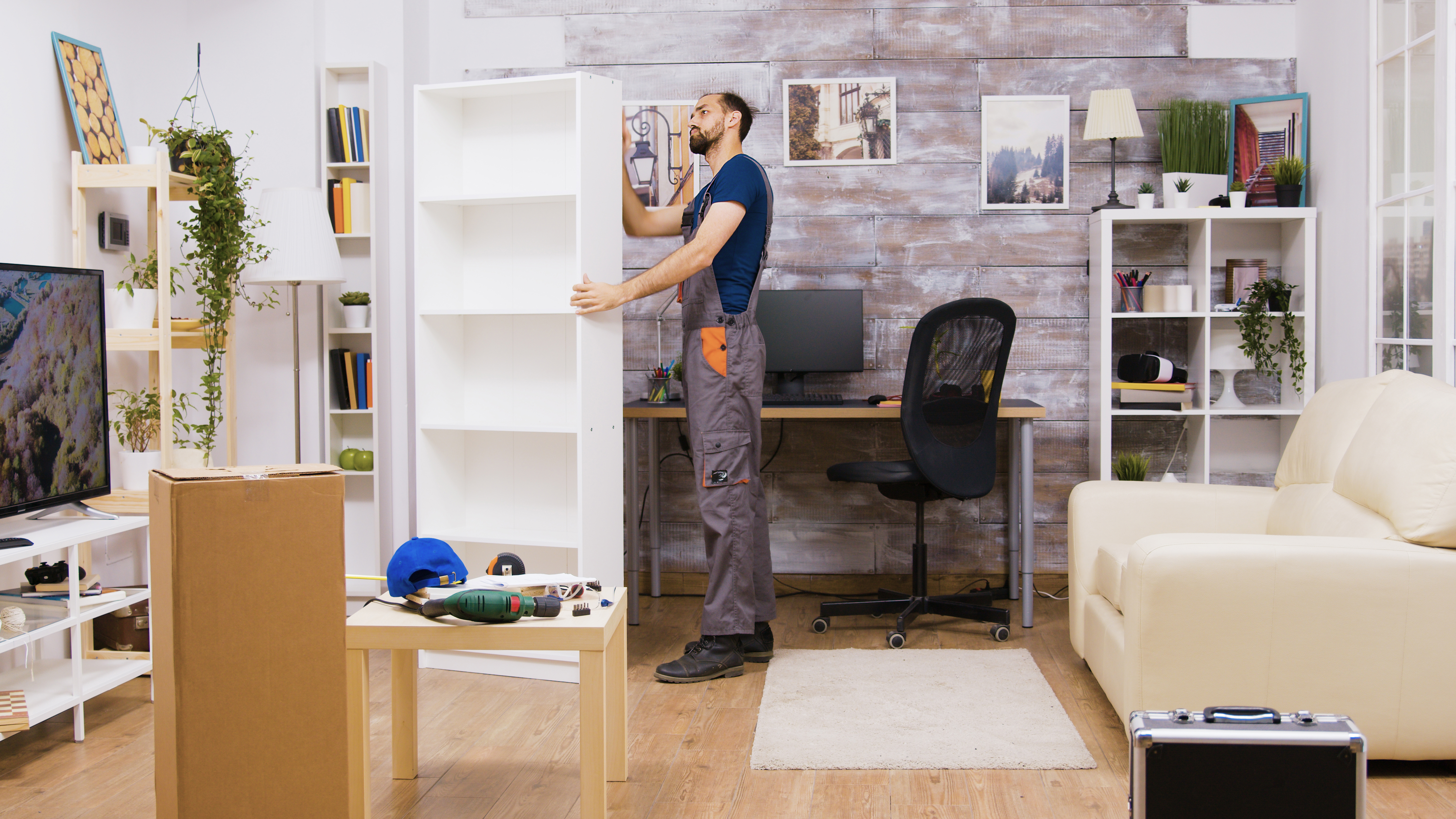
Many Spicewood homeowners are rethinking how they use space at home. Guest rooms are becoming home offices, hobby rooms, or flexible spaces that serve multiple purposes. While these conversions can improve daily living, they often create a temporary storage challenge. Using storage during a room conversion keeps furniture and belongings protected while making the transition easier and more organized.
Why Storage Helps During Room Conversions
When converting a guest room into a home office, items often need to be moved out quickly to create workspace. Without a plan, furniture can end up in hallways, garages, or other rooms, creating clutter and stress. Short-term storage helps by:
- Creating immediate open space for the project
- Protecting furniture from dust, scratches, or accidental damage
- Keeping household items organized during the transition
- Making it easier to redesign the room without obstacles
Storage becomes part of the conversion process—not just an afterthought.
Planning the Conversion Before Moving Items
Before moving anything, decide how the room will function. For example:
- A full-time home office may require removing most guest furniture
- A dual-purpose office and guest room may keep some convertible furniture
- A temporary workspace might only require storing a few large items
Next, inventory what’s currently in the room:
- Bed frame, mattress, and nightstands
- Dressers or storage furniture
- Bedding, rugs, and curtains
- Lamps, artwork, and décor
Knowing what you’re moving prevents unnecessary trips and confusion later.
What to Store vs. What to Keep
Items Often Moved to Storage
- Bed frames and mattresses
- Guest-room dressers and large furniture
- Seasonal décor and extra chairs
- Wall art and lamps not needed in the new layout
Items Often Kept in the Room
- Convertible furniture like sleeper sofas or murphy beds
- Desk and office equipment
- Cabinets used for both work and guest storage
This balance helps the room stay functional without feeling crowded.
Choosing the Right Storage Option in Spicewood
Short-Term Storage Units
Ideal for home projects lasting a few months. Flexible rentals make it easy to store items only as long as needed.
Climate-Controlled Storage
Best for:
- Mattresses and upholstered furniture
- Wood furniture that can warp in heat
- Bedding, rugs, and fabrics
Climate control helps protect household items from Texas heat and humidity.
Drive-Up Units
Helpful when moving:
- Beds and dressers
- Heavy furniture
- Multiple boxes
Drive-up access reduces carrying and loading time.
Preparing Furniture for Storage
Clean Before Storing
- Vacuum mattresses and upholstery
- Wipe down wood surfaces
- Make sure everything is dry
Clean items store better and last longer.
Disassemble and Protect
- Remove bed frames and table legs when possible
- Use breathable covers instead of plastic wrap
- Protect corners with furniture pads
These steps prevent damage during storage.
Organizing the Storage Unit
A little organization makes retrieval easier later.
Layout Tips
- Store mattresses upright along walls
- Leave a small walkway inside the unit
- Place items you might need sooner near the front
Labeling and Tracking
- Label boxes by room or category
- Take photos of stored furniture
- Keep a simple inventory list
This prevents confusion when it’s time to bring items back home.
Managing the Conversion Timeline
Storage works best when used early in the process. During the conversion:
- Move furniture out before setting up the office
- Avoid shifting items between rooms multiple times
- Protect belongings from dust or renovation debris
When preparing for future guests:
- Keep bedding accessible
- Plan how stored furniture will return
- Rotate items seasonally if needed
Thinking ahead makes transitions smoother.
Security and Peace of Mind
During home projects, belongings often sit unused for months. Storage facilities provide a safer alternative to crowded garages or spare rooms. Look for:
- Gated access
- Clean, dry units
- Well-maintained property
Knowing items are secure reduces stress during home updates.
Cost-Saving Storage Strategies
Storage can actually reduce project costs. For example:
- Converting a room instead of building an addition
- Renting the right-sized unit for temporary needs
- Downsizing storage once the project is complete
Using storage temporarily keeps home projects flexible and affordable.
Storage Supports Flexible Living Spaces
For many Spicewood homeowners, room conversions are about adapting homes to changing needs. Storage makes that transition easier by protecting belongings and reducing clutter during the process.
Categories