

Protecting Leather, Upholstery, and Wood in Spicewood Climate Units
Protecting Leather, Upholstery, and Wood in Spicewood Climate Units
Habib Ahsan
February 17th, 2026
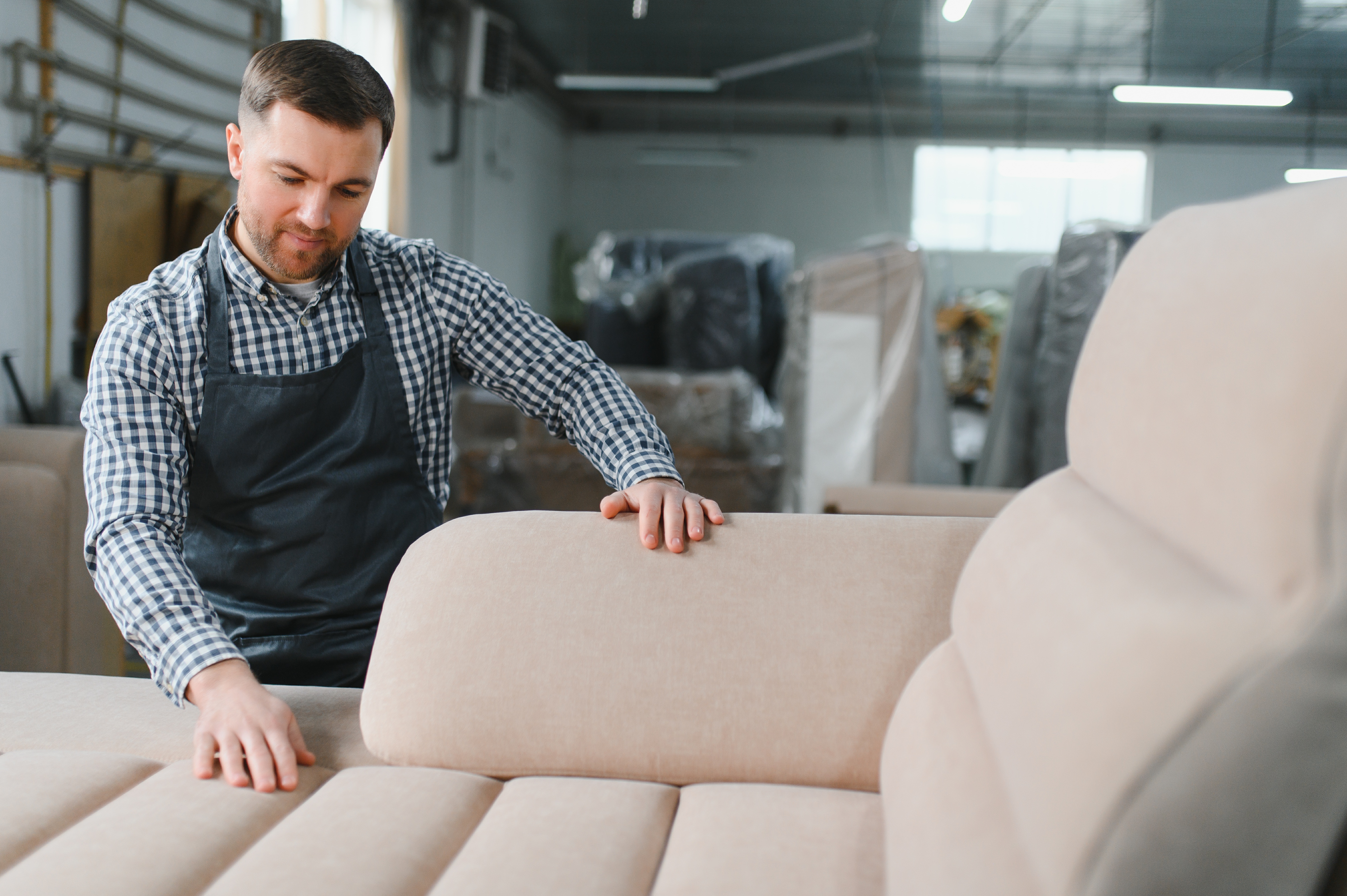
In Spicewood, TX, long periods of heat and humidity can quietly damage furniture in storage. Materials like leather, fabric upholstery, and wood react to temperature changes and moisture over time. That’s why many homeowners choose climate-controlled storage units when storing furniture for renovations, moves, or long-term organization. When combined with proper preparation, climate storage helps keep furniture in excellent condition until it’s needed again.
Why Climate-Controlled Storage Matters in Spicewood
Standard storage spaces can become extremely hot during Texas summers and humid during seasonal weather changes. These conditions can affect furniture materials even when items appear protected. Climate-controlled storage helps by:
- Maintaining consistent indoor temperatures
- Reducing humidity that causes mold or warping
- Protecting finishes, padding, and natural materials
This stable environment is especially important for long-term storage.
How Heat and Humidity Affect Furniture Materials
Leather Furniture and Accessories
Leather contains natural oils that keep it flexible. Heat and dryness can cause those oils to break down. Without protection, leather may:
- Crack or stiffen
- Fade or discolor
- Develop mold in humid conditions
Climate storage helps maintain the balance leather needs.
Upholstered Furniture and Fabrics
Fabric furniture can trap moisture in cushions and seams, especially in humid environments. Common problems include:
- Mildew or odors
- Cushion breakdown from heat exposure
- Fabric weakening over time
Stable storage conditions help upholstery stay clean and intact.
Wood Furniture and Décor
Wood naturally expands and contracts when temperatures change. Improper storage can lead to:
- Warped tabletops or drawers
- Cracked finishes
- Veneer separation
- Loose joints
Climate-controlled storage reduces these risks.
What Climate-Controlled Storage Provides
Climate units are designed to create a consistent indoor environment that protects sensitive materials. They help by:
- Keeping temperatures within a safe range year-round
- Limiting moisture buildup
- Protecting adhesives, finishes, and padding materials
For furniture made from natural materials, consistency is key.
Preparing Leather Items for Storage
Before storing leather furniture:
- Wipe surfaces with a leather-safe cleaner
- Apply conditioner to maintain flexibility
- Make sure items are fully dry
When placing leather in storage:
- Elevate furniture off the floor
- Use breathable covers instead of plastic
This prevents moisture buildup and surface damage.
Preparing Upholstered Furniture for Storage
Cleaning and Drying
- Vacuum cushions and seams
- Remove stains before storage
- Ensure furniture is completely dry
Covering Upholstered Pieces
- Use breathable fabric covers
- Avoid sealing items in plastic
- Store cushions slightly separated to allow airflow
These steps help prevent odors and mildew.
Preparing Wood Furniture for Storage
Surface Preparation
- Clean and lightly polish wood surfaces
- Check joints and hardware
Protection Steps
- Remove table legs when possible
- Wrap furniture in moving blankets or pads
- Protect corners and delicate carvings
Proper preparation reduces stress on wood during storage.
Storage Layout Best Practices
How furniture is arranged inside a storage unit matters.
Airflow and Elevation
- Use pallets or shelving to keep items off the floor
- Leave small gaps between furniture pieces
Weight Distribution
- Avoid stacking heavy items on delicate surfaces
- Place larger furniture against walls for stability
Good layout improves protection and accessibility.
Long-Term Storage Care
Even in climate-controlled storage, occasional checks are helpful. During visits:
- Inspect leather for dryness
- Check wood surfaces for changes
- Make sure covers remain secure
In Spicewood’s hottest months, these quick checks provide extra peace of mind.
Security and Documentation
Furniture often represents a significant investment. Storage facilities with clean indoor units and controlled access help protect those belongings. It’s also helpful to:
- Photograph furniture before storing
- Keep a simple inventory list
Documentation makes retrieval and organization easier later.
Cost-Saving Storage Tips
Climate storage works best when used strategically. You can:
- Choose a unit size that allows airflow without wasting space
- Store only sensitive materials in climate-controlled units
- Place durable items in standard storage if appropriate
This approach protects important furniture while managing costs.
Protecting Furniture for the Long Term
For Spicewood homeowners, climate-controlled storage is about preserving furniture quality—not just storing items. Leather, upholstery, and wood all benefit from stable conditions and proper preparation. Taking the time to store furniture correctly helps prevent costly repairs and keeps belongings ready for use when they return home.
Categories